Is It Worth Buying a Home in South Jersey or Philadelphia Right Now?
If you’ve been thinking about buying a home in South Jersey or Philadelphia, you’ve probably asked yourself the same question a lot of people are asking right now:
Is it even worth it?
With today’s home prices in Philadelphia and rising mortgage rates in South Jersey, renting can feel like the easier option. For many buyers, it may even seem like the only realistic path at the moment.
And if that’s where you are, that’s completely valid.
But if you’re trying to decide between renting vs buying in the Philadelphia metro area, there’s one important factor that often gets overlooked:
👉 What each choice means for your long-term financial future.
Renting in Philadelphia or South Jersey: The Pros and the Trade-Offs
There’s no question that renting in Philadelphia neighborhoods or South Jersey suburbs comes with real benefits:
- Lower upfront costs compared to buying
- No maintenance or repair responsibilities
- Flexibility to move between areas like Center City Philadelphia, Fishtown, or Cherry Hill
But here’s the trade-off.
When you’re renting, your monthly payment goes toward your landlord’s investment—not yours.
As many financial experts point out, rent payments don’t build equity, don’t benefit from home appreciation, and don’t create an asset you can leverage later.
So while renting in South Jersey or Philly may feel more manageable today, it doesn’t contribute to long-term wealth in the same way homeownership can.
How Buying a Home in South Jersey or Philadelphia Builds Wealth
When you buy a home in Philadelphia or South Jersey, your monthly payment starts working differently.
Instead of paying a landlord, you’re building home equity—the difference between what your home is worth and what you owe.
That equity grows in two key ways:
- As you pay down your mortgage
- As home values in the Philadelphia metro area appreciate over time
And that adds up.
According to national housing data, the average homeowner’s net worth is significantly higher than that of a renter—not because of radically different habits, but because owning a home creates a built-in system for long-term wealth building.
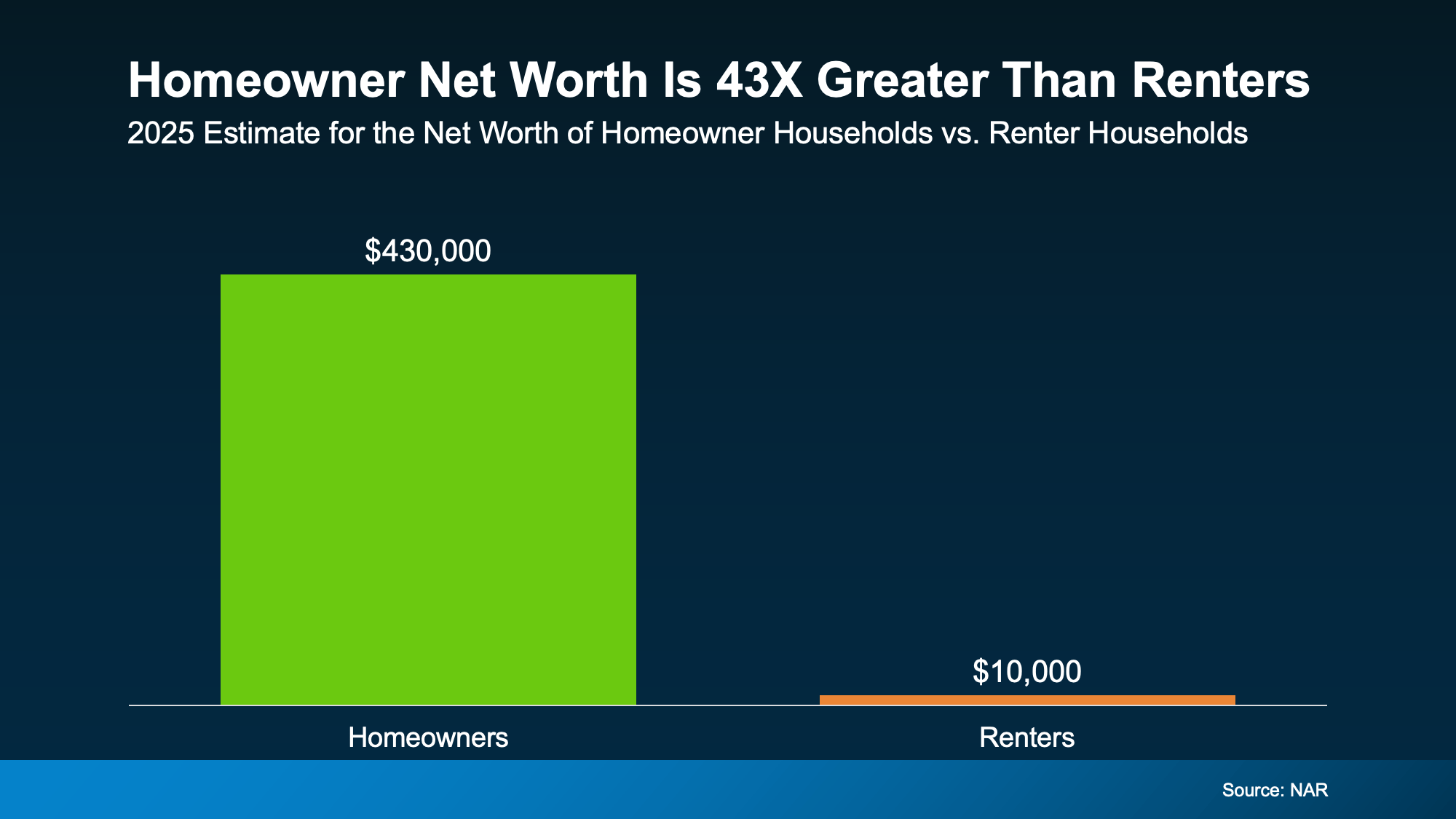
In markets like South Jersey real estate and Philadelphia housing, where demand has remained steady, that long-term growth can be especially impactful.
The Wealth Gap: Homeowners vs Renters
Over time, the financial gap between homeowners and renters has continued to widen.
Homeowners benefit from:
- Rising property values
- Increasing equity
- Greater financial stability
Meanwhile, renters in competitive markets like Philadelphia apartments or South Jersey rentals often face rising rents without gaining ownership.
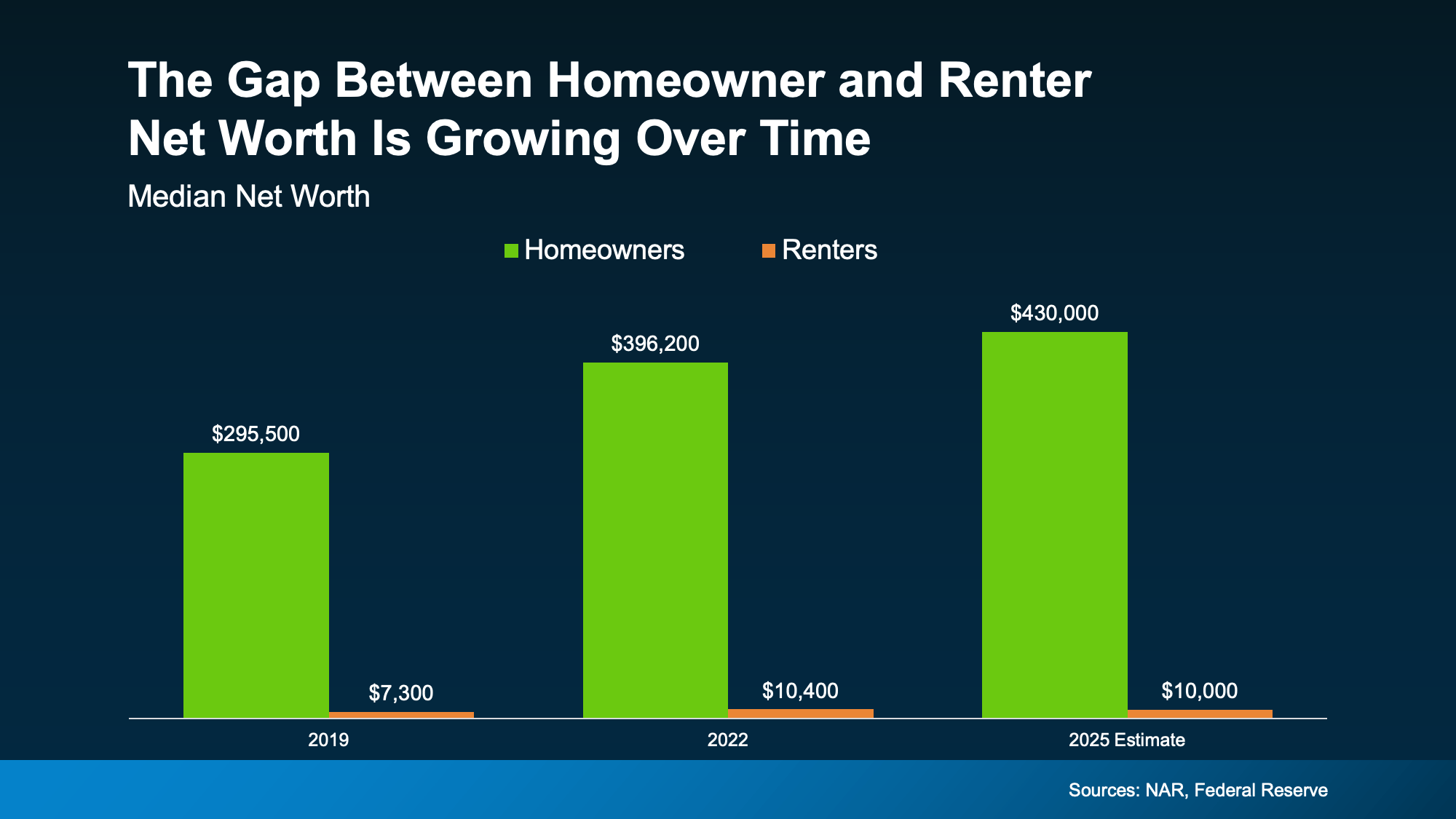
Even during periods when housing prices in Philadelphia stabilize, homeowners typically continue building wealth simply by holding their property.
Renting vs Buying in South Jersey and Philadelphia: What’s Right for You?
Here’s the truth:
There’s no one-size-fits-all answer.
Buying a home in South Jersey or Philadelphia is a powerful long-term move—but only when it fits your situation.
Buying may make sense if:
- You plan to stay in the area for several years
- You have stable income and savings
- You’re ready for the responsibilities of homeownership
- You’re exploring areas like Moorestown, Haddonfield, or Manayunk
Renting may be the better option if:
- You need flexibility
- You’re still saving for a down payment
- You’re unsure which neighborhood fits your lifestyle
The Bottom Line: Should You Buy a Home in South Jersey or Philly?
Renting in Philadelphia or South Jersey might feel more doable right now—and for some, it absolutely is the right choice.
But if your goal is to build long-term wealth through real estate, homeownership remains one of the most reliable paths.
The key is timing it right.
Before making a decision, it’s smart to connect with a local real estate expert who understands:
- Current Philadelphia housing market trends
- South Jersey home prices
- Your personal goals and budget
With the right plan, buying a home may be closer than you think.